How to Clean Microfiber Cloths
A microfiber cloth can look spotless and still fail to pick up dust. The usual cause isn't dirt, it's a waxy coating from fabric softener that most wash routines never address.
Quick answer · care label Microfiber — split polyester-nylon
-
1 · Wash
Wash 30° gentle -
2 · Bleach
No bleach -
3 · Dry
Tumble low -
4 · Iron
Do not iron -
5 · Pro care
No dry clean
In one line Wash separately from lint-shedding fabrics with a small amount of free-and-clear detergent, never fabric softener or dryer sheets, then dry on low heat or air-dry. Total hands-on time: under 5 minutes.
Why a microfiber cloth stops working long before it looks dirty
A microfiber cloth cleans through its structure, not through soap: each strand is split into hundreds of wedge-shaped filaments that grab dust electrostatically and wick up oil and moisture through capillary action. That structure is also why the cloth fails in a way ordinary fabric doesn’t. It can look perfectly clean, smell fine, and still stop picking up dust or start streaking glass. The usual cause isn’t dirt at all. It’s a coating.
Fabric softener and dryer sheets both work by depositing a thin waxy film onto fibers to make them feel soft. On a towel or a shirt, that’s the point. On microfiber, that same film fills in the wedge-shaped grooves the cloth relies on, and once it’s coated, plain detergent doesn’t strip it back off. The cloth is still intact and still looks new. It has just lost the one property that made it worth buying in the first place.
Never add fabric softener or a dryer sheet to a load with microfiber in it, not even once. The coating builds with every exposure and doesn’t fully rinse out in later washes. This one habit ruins more microfiber cloths than any stain does.
What you’ll need
| Item | Why | Substitute |
|---|---|---|
| Free-and-clear detergent | Scented and softener-blended detergents leave the same coating as a dryer sheet, just in smaller doses | A small amount of clear dish soap |
| Warm, not hot, water | Warm water loosens grease without stressing the fine split fibers | Cold water for a lighter routine wash |
| Mesh wash bag | Keeps cloths from wrapping around a zipper or agitator and fraying at the edge | A pillowcase, loosely tied |
| White vinegar | Cuts through softener residue and mineral buildup on cloths that already smell or streak | None; distilled white vinegar is the standard fix here |
The method, step by step
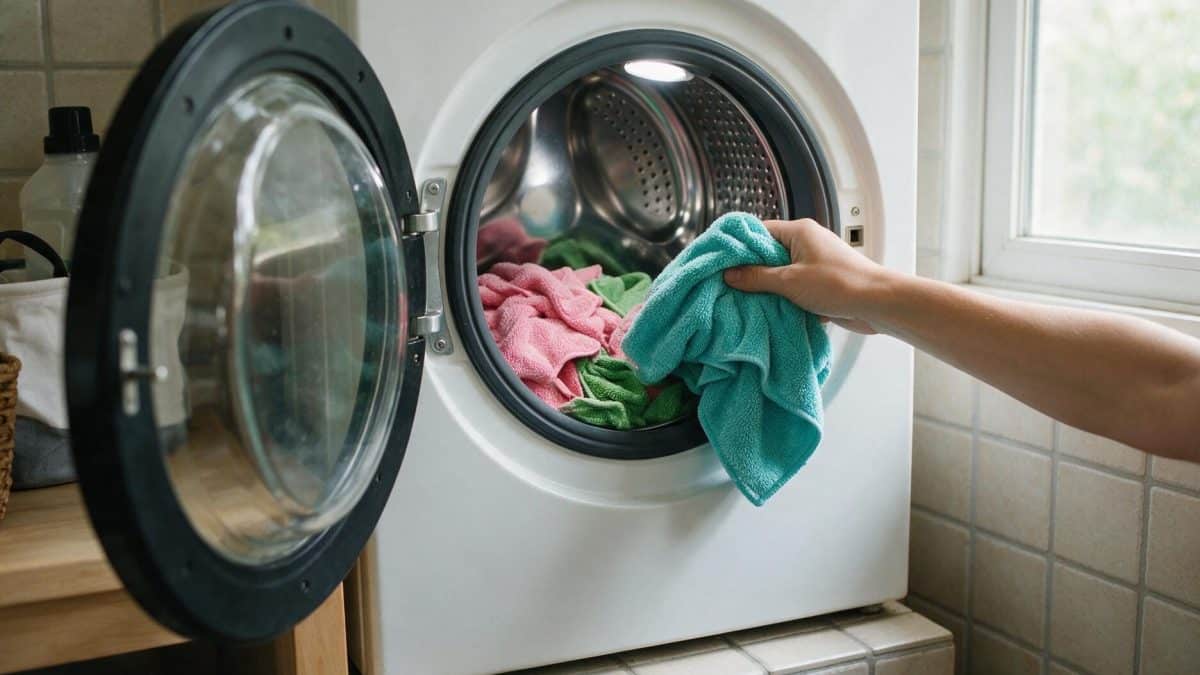
Sort away from lint sources
Wash microfiber separately from towels, fleece, and anything covered in pet hair. Those fabrics shed fibers that get grabbed by microfiber’s electrostatic surface and stay there through the rest of the wash.
Skip the softener aisle entirely
Use a small amount of free-and-clear detergent. No fabric softener, no scent boosters, no dryer sheets in this load, even if the rest of the machine’s contents could use one.
Wash warm, not hot, on a normal cycle
Warm water and a full cycle give the detergent time to work oil out of the fibers. There’s no need for a delicate setting; microfiber is durable, and a full agitation cycle helps rather than harms it.
Skip the dryer sheet, dry on low heat or air-dry
High heat is the other thing that quietly kills microfiber. Enough of it can fuse the split ends of the fiber back together, flattening the wedge shape that makes the cloth work. Tumble on low or hang to dry instead.
Check by touch before reusing
A clean cloth should feel slightly grabby against dry skin, almost like it clings. If it feels smooth or slippery instead, or carries a faint musty smell, residue is still in it, and it needs the strip wash below before it goes back on a window or a screen.
Interactive
Label decoder
Tap a symbol from your care label. No guessing, no scrolling.
19 symbols. Pick one.
Restoring cloths that already smell or streak
A brand-new microfiber cloth can arrive already coated, left over from whatever it was finished with at the factory, which is why some cloths streak glass right out of the package. A strip wash breaks that coating down chemically instead of relying on a normal detergent cycle to do it.
| Step | Detail |
|---|---|
| 1. Hot water soak | Fill a sink or basin with the hottest tap water available, add a tablespoon of dish soap, and soak the cloths for 15 minutes. This one-time hot exposure is fine; the risk with heat is drying, not this soak |
| 2. Vinegar rinse | Drain and refill with warm water plus a half cup of white vinegar, swish for a minute, then rinse until the water runs clear |
| 3. Air-dry only | Skip the dryer for this load. Air-drying after a strip wash avoids adding any heat stress on top of the hot soak |
What permanently ruins a microfiber cloth
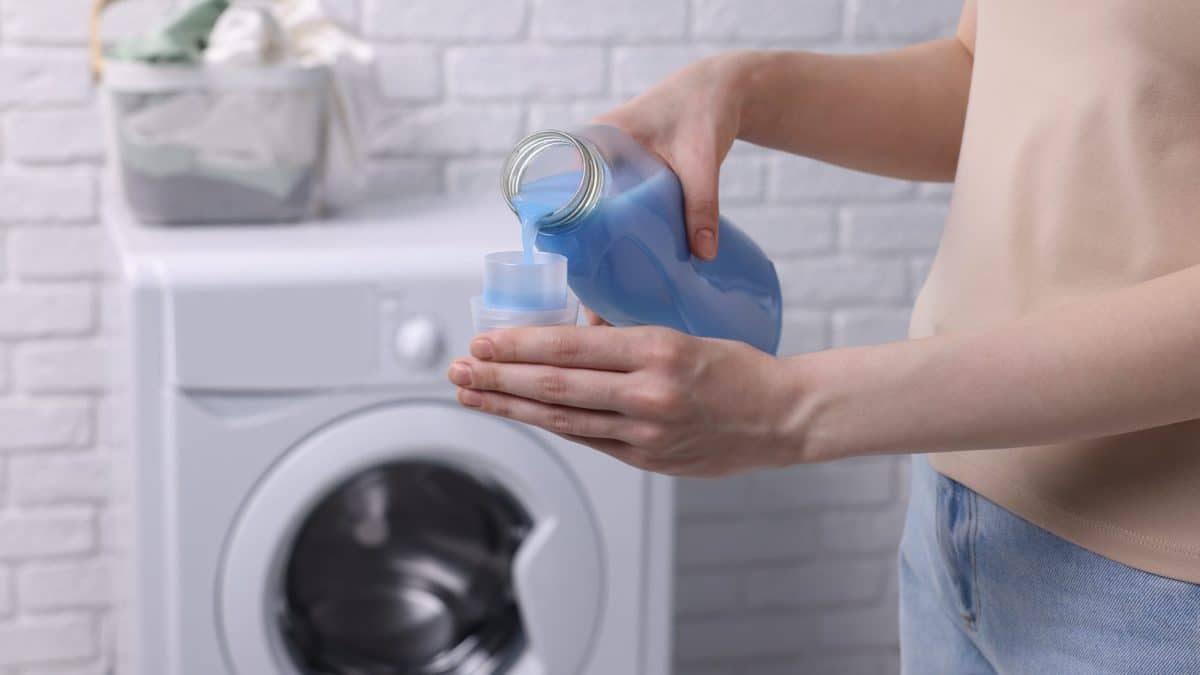
- Fabric softener and dryer sheets. Covered above: the coating blocks the fiber’s ability to grip dust and doesn’t rinse out on its own.
- Ironing, or a dryer on high heat. Direct heat fuses the split fiber ends back together. Once that happens, no amount of washing brings the texture back.
- Washing with towels or pet-hair-covered fabric. The lint gets trapped in the same grooves that are supposed to be picking up dust off a counter or a screen.
- Bleach, as a routine habit. Most microfiber is polyester or a polyester-nylon blend, and repeated bleach exposure weakens the fibers over time. The hot water and vinegar method above handles residue without it.
Related guides
The same heat-threshold logic shows up on a completely different tool: an iron’s soleplate and steam vents fail for the same reason, exceeding the safe temperature for the material. See how to clean a clothes iron for how that plays out with scorch marks and mineral scale instead of coated fibers.
Questions
Can I put microfiber cloths in the dryer?
Yes, on low heat. High heat is the setting to avoid, since it can fuse the fine split fibers and flatten the texture that makes the cloth work. Air-drying is the safest option if you’re not sure how hot your dryer’s low setting actually runs.
Why do my microfiber cloths smell even after washing?
A lingering musty or slightly sour smell almost always means softener or oil residue trapped in the fibers, not dirt that a normal wash missed. The strip wash above, with hot water and vinegar, usually clears it.
Is it okay to use fabric softener just once?
Once is enough to leave a coating that a normal wash won’t fully remove. If it happens by accident, run the strip wash as soon as possible rather than waiting for it to build up further.
How long do microfiber cloths last?
With no softener and no high heat, a good microfiber cloth holds its texture for two to three years of regular use. Softener exposure or repeated high-heat drying can cut that down to a few months.