How to Clean Ink Stains on Clothes
Ballpoint, gel, and permanent marker aren't the same ink, and treating them the same way is why one lifts in a minute and the others just spread. Here's the method for each, plus the one move that keeps any of them from bleeding wider.
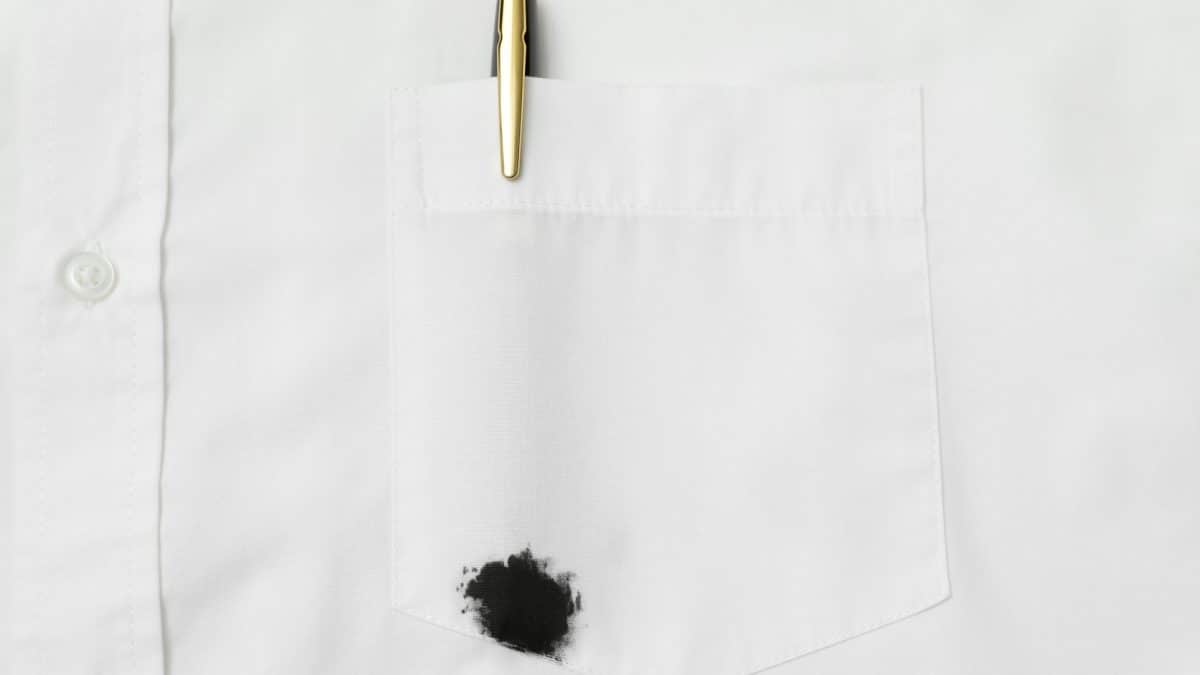
Quick answer · care label Everyday clothing — cotton, cotton-poly, and similar washable fabrics
-
1 · Wash
Wash 40° -
2 · Bleach
Oxygen bleach -
3 · Dry
Tumble low -
4 · Iron
Iron 150° -
5 · Pro care
Pro clean P
In one line Ballpoint ink dissolves fast in rubbing alcohol, but gel ink is often pigment-based and needs dish soap instead, and permanent marker needs several rounds of both. Always work from the back of the fabric, and never dry a stain until it's confirmed gone.
“Ink” isn’t one stain, it’s at least three different chemistries
A ballpoint pen, a gel pen, and a permanent marker all leave a mark that looks the same on a shirt: a dark, spreading blot. The dye inside each one behaves nothing alike. Ballpoint ink is a dye carried in an oily solvent, which is exactly why rubbing alcohol dissolves it in seconds. Gel ink is often a pigment suspended in a water-based gel rather than a true dye, so it doesn’t dissolve the same way; it needs to be broken up and lifted with soap before it lifts at all. Permanent marker uses a stronger alcohol-based dye designed to bond to a surface and resist exactly the kind of light treatment that clears a ballpoint mark. Using one method on all three is why some ink stains disappear in a minute and others just smear into a bigger, fainter version of themselves.
The other mistake that applies to every type: working from the front. Pressing solvent straight into the visible stain pushes ink sideways through the weave as much as it pulls it out, widening the mark. Every method below works from the back of the fabric instead, with the stain face-down on a clean cloth or paper towel, so the solvent carries ink down and out of the fibers rather than across them.
Dryer heat sets ink dye into the fibers the same way it sets blood or sweat residue, permanently. Check the spot wet, against a bright light, before it goes anywhere near the dryer. A stain that looks faded when damp can still be there once it dries.
What you’ll need
| Item | Why | Substitute |
|---|---|---|
| Rubbing alcohol (70%+) | Dissolves the oily dye carrier in ballpoint and permanent marker ink | Hand sanitizer with a high alcohol content, applied the same way |
| Liquid dish soap | Breaks up pigment-based gel ink that alcohol alone won’t fully dissolve | A grease-cutting dish soap brand, any will do |
| Glycerin | Softens dried, set-in ink before treatment on any of the three types | Skip on fresh stains; only useful once ink has dried in |
| Clean white cloths or paper towels | Absorb the ink pulled through the back of the fabric; a colored cloth can transfer its own dye onto a damp stain | Cotton pads or unprinted paper towels |
| Cotton swabs | Apply solvent to a small mark without spreading it past the stain’s edge | A folded corner of a clean cloth, dabbed rather than wiped |
Ballpoint pen ink
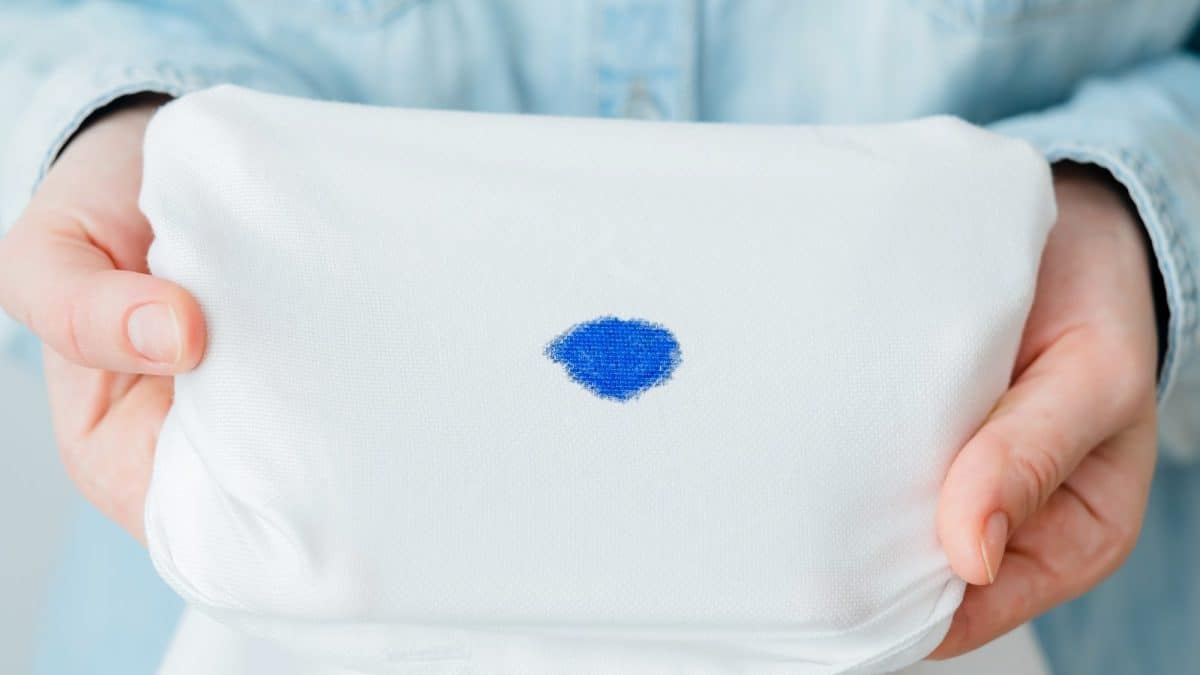
This is the type that responds fastest, because alcohol dissolves an oil-based dye almost on contact. It’s also the type most people over-treat, scrubbing long after the ink has already lifted and just spreading what’s left.
Lay the stain face-down on a clean cloth
Place a folded paper towel or white cloth under the fabric, stain side touching the towel, so alcohol carries ink downward into it instead of outward across the surface.
Dab rubbing alcohol from the back of the stain
Apply with a cotton swab or cloth corner, working from the outer edge of the mark toward the center. Replace the towel underneath as soon as ink transfers onto it, so the fabric never sits against ink it just released.
Rinse with cold water and check
Rinse the back of the fabric under cold running water. If any color remains, repeat the alcohol dabbing before moving on; ink that looks gone wet can still show once dry.
Wash on the warmest setting the care label allows
A normal wash cycle finishes clearing any trace left after pretreatment. Check the spot again before it goes in the dryer.
Gel and rollerball ink
Gel ink is where the alcohol method disappoints people. Because much of the color is pigment rather than dissolved dye, alcohol can smear the particles into a wider, lighter stain instead of lifting them. Dish soap, which breaks up pigment and grabs onto it rather than dissolving it, works better here.
Lay the stain face-down on a clean cloth
Same setup as ballpoint: stain side down against a towel, so released pigment moves away from the fabric instead of spreading across it.
Work in a few drops of dish soap from the back
Apply directly and work it in gently with a fingertip, from the outer edge inward. Avoid rubbing hard; pigment grinds deeper into the weave under pressure instead of lifting.
Rinse, then repeat if pigment remains
Rinse from the back under cold water. Gel ink often needs two or three passes of soap and rinse rather than one strong treatment, since each pass lifts a bit more pigment.
Wash as usual and check before drying
Confirm no color transfers to a white cloth pressed against the spot before the fabric goes anywhere near heat.
Permanent marker
Permanent marker dye is built to resist exactly this kind of removal, so expect more than one round of treatment. Alcohol still dissolves it, the same as ballpoint, but the dye load is heavier and bonds harder, which is why a single dab rarely finishes the job.
Soften a dried mark with glycerin first
If the mark is more than a day old, work in a small amount of glycerin and let it sit 10-15 minutes. This loosens dye that’s already bonded to the fiber before alcohol tries to dissolve it.
Lay the stain face-down and dab alcohol from the back
Same face-down setup as the other two types. Expect to replace the towel underneath several times as ink keeps transferring; this is normal for marker and doesn’t mean the method isn’t working.
Rinse and repeat until no more color transfers
Check against a clean white cloth after each rinse. A faded shadow that won’t fully clear after several rounds is common on marker and may need a repeat treatment the next day rather than more scrubbing in one session.
Wash on the warmest safe setting
Once no more color transfers, wash as usual. If any shadow remains, do not dry; repeat the alcohol treatment before trying again rather than setting a faded stain permanently.
Test a hidden seam with rubbing alcohol first. If color lifts within a minute, treat it as ballpoint or marker. If the alcohol smears the mark without lifting it, switch to the dish soap method for gel ink instead of pushing more alcohol into a pigment stain that won’t dissolve.
Interactive
Label decoder
Tap a symbol from your care label. No guessing, no scrolling.
19 symbols. Pick one.
What ruins clothes during ink removal
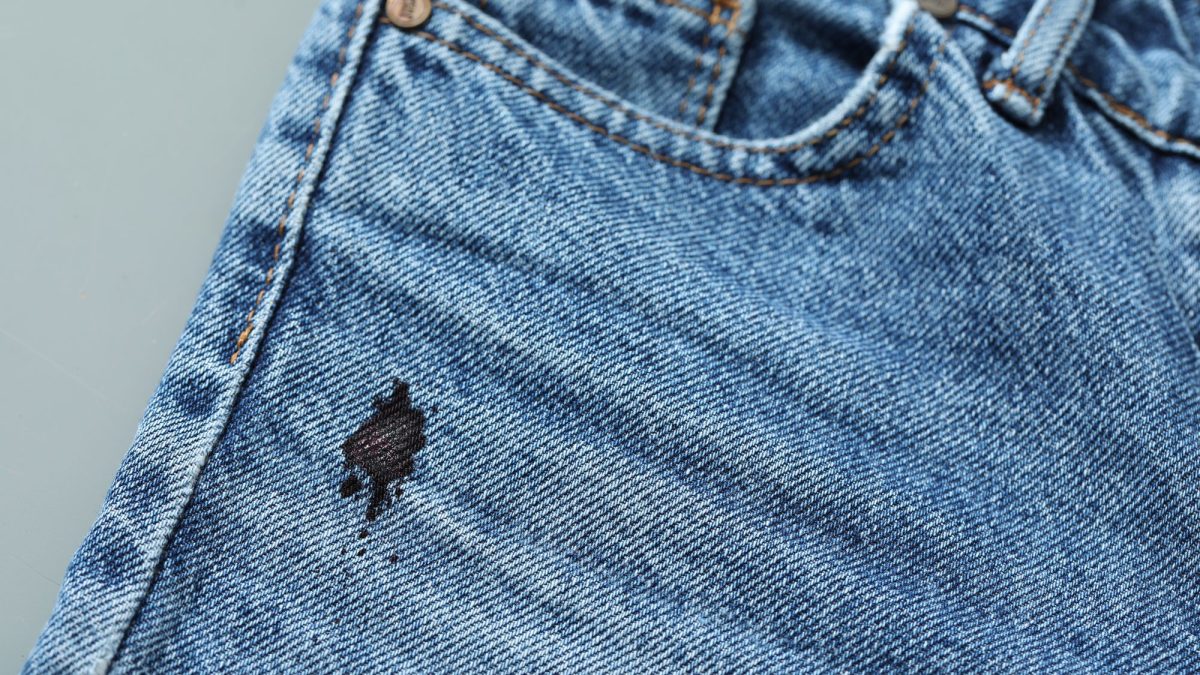
| Mistake | What happens | Fix |
|---|---|---|
| Treating from the front of the fabric | Pushes ink sideways through the weave, widening the stain instead of lifting it out | Work from the back, stain face-down on a clean cloth or towel |
| Using alcohol on gel or pigment-based ink | Smears pigment particles into a wider, lighter stain instead of dissolving them | Switch to dish soap, worked in gently, for gel and rollerball ink |
| Drying before the stain is confirmed gone | Heat sets ink dye into the fibers permanently, the same as it does with blood or sweat | Check the spot wet, against a bright light, before it goes in the dryer |
| Scrubbing hard at a marker stain | Grinds heavy dye deeper into the weave and can thin the fabric over repeated sessions | Dab rather than scrub, and accept that marker often needs several rounds over more than one day |
| Giving up after one alcohol pass on marker | A faded shadow left untreated gets set permanently the moment the fabric dries | Repeat the treatment the next day rather than drying a stain that’s only partly cleared |
Related guides
Ink isn’t the only stain that turns out to be more than one substance in disguise: deodorant stains on shirts covers a yellow chemical stain and a white residue that need opposite treatments, and bed stains uses the same back-of-the-fabric approach on blood, sweat, and urine. For the same never-dry-before-checking rule on a surface that can’t be washed at all, see how to clean a stained mattress. Dried paint looks like an ink problem and borrows the same two moves, a solvent and the back of the fabric, but it stops there: ink is a dye or a pigment carried in something, while dried paint is a cured film with the fibers inside it, so nothing dissolves it and the brush does the work. The warmest-safe-setting wash that finishes the job on ink is also the one instruction on this page that must not be carried over, since heat softens a paint film and pushes it deeper. See how to get dry paint out of clothes. For a framework that sorts any stain into the right category before you start treating it, see how to clean stains from clothes.
Questions
Does hairspray really remove ink stains?
Older hairspray formulas were high in alcohol, which is what actually did the work, not the hairspray itself. Most modern formulas have far less alcohol and can leave a sticky residue behind. Rubbing alcohol at 70% or higher does the same job without that residue.
Why did the ink stain get bigger instead of smaller?
Almost always from treating the stain from the front. Solvent applied on top of the visible mark pushes dye sideways through the weave as it dissolves. Flipping the fabric over and working from the back sends the dye out into a towel instead of across the fibers.
Can I use the same method on colored fabric as white?
Rubbing alcohol and dish soap are both safe on colored fabric. Test on a hidden seam first regardless, since alcohol can affect some dyes on delicate or non-colorfast fabrics even though it won’t bleach them the way hydrogen peroxide can.
What if the ink stain is already dry and set in?
Start with glycerin worked into the spot for 10-15 minutes before any alcohol or soap treatment. It softens dye that’s bonded to the fiber, which makes the rest of the method noticeably more effective on an old stain than skipping straight to alcohol.